At a glance
- From US$261[1], 4.5 hours[1], live guide in Norwegian and English[1], free cancellation up to 24 hours[1].
- In Tromsø, the polar night runs about from 27 November until 15 January[2].
- In the Tromsø region, the aurora borealis may appear between late August and early April[3].
- During winter, orcas and humpback whales assemble in fjords north of Tromsø to eat herring[4].
- Tromsø's average winter temperature sits around −4°C[5].
- Top choice Arctic King Crab Cruise from US$261 Duration4.5 hours[1]Rating4.45[1]GuideNorwegian, English[1]CancellationFree up to 24 hours[1] Check availability
- Arctic Fjord Cruise from US$156 Duration4 hours[6]Rating4.52[6]GuideEnglish[6]CancellationFree up to 24 hours[6] See this tour
- Fjord Adventure from US$146 Duration5 hours[7]Rating4.79[7]GuideEnglish[7]CancellationFree up to 24 hours[7] See this tour
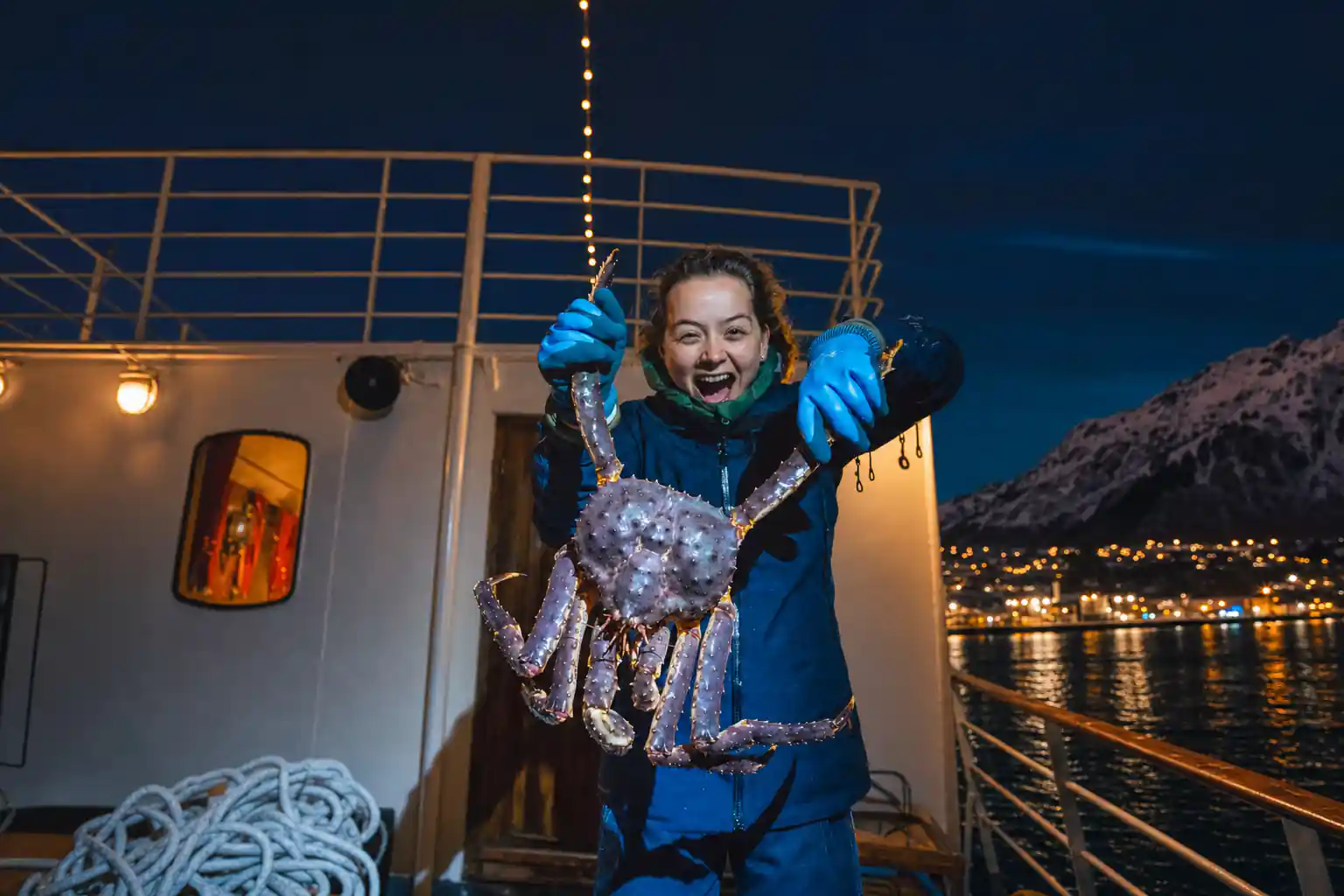
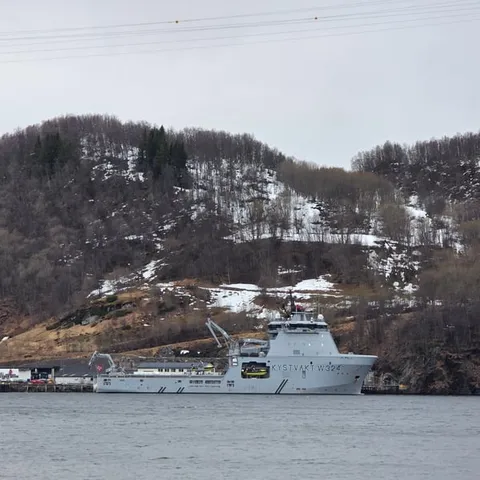
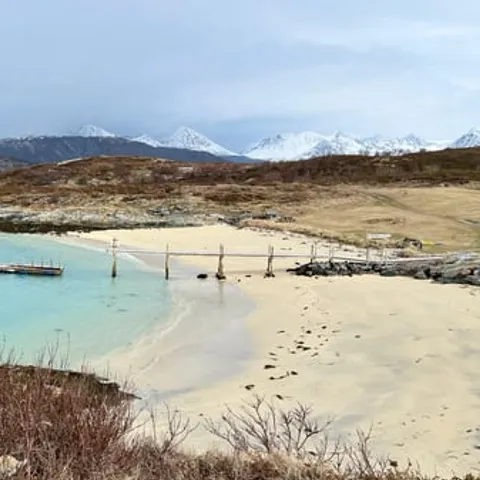
The northern lights may be visible in the Tromsø region from late August to early April, whenever the sky is dark and sufficiently clear.
A winter city break built around the king crab cruise
Getting there and around
It is not as cold as it sounds
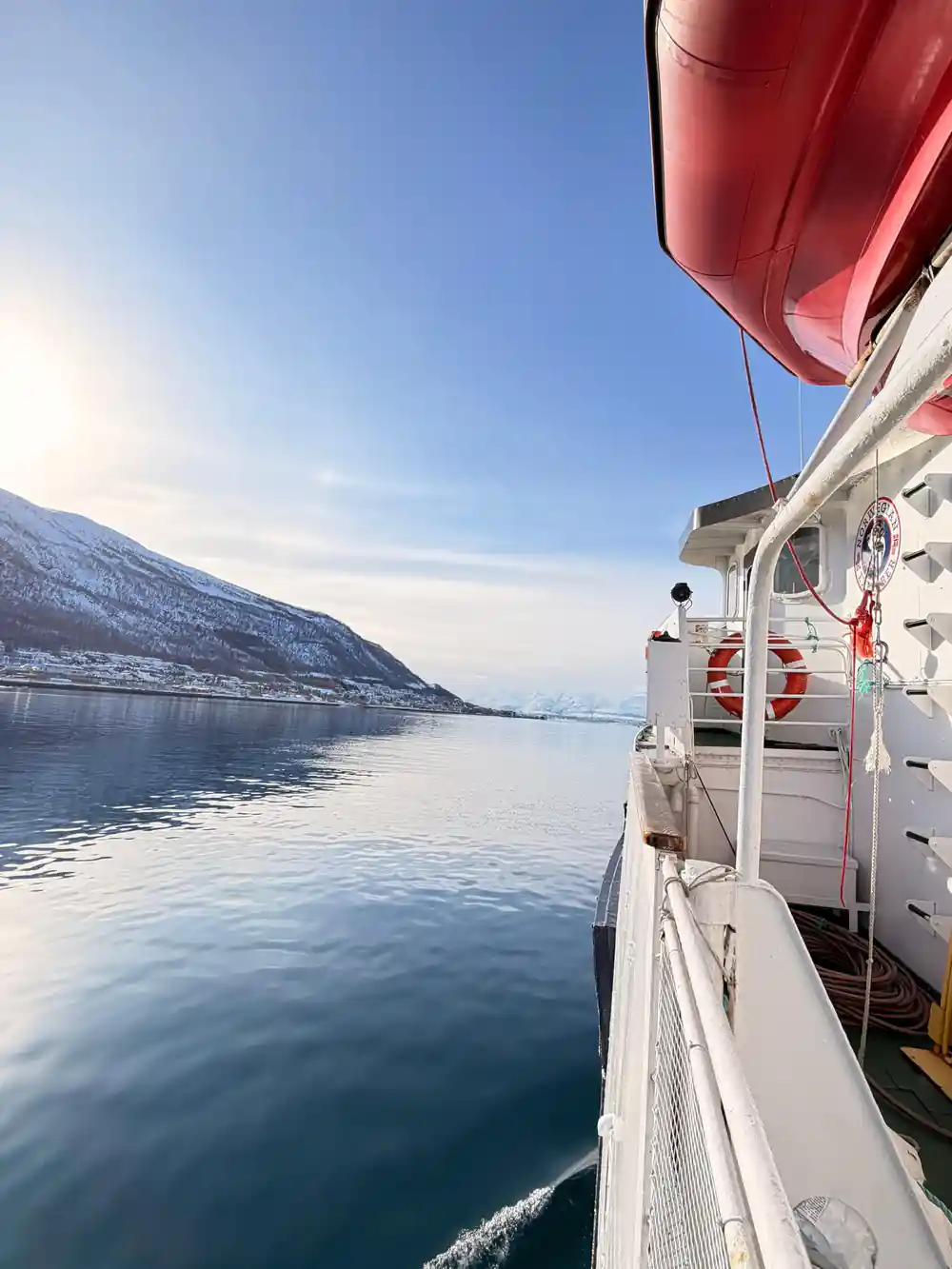
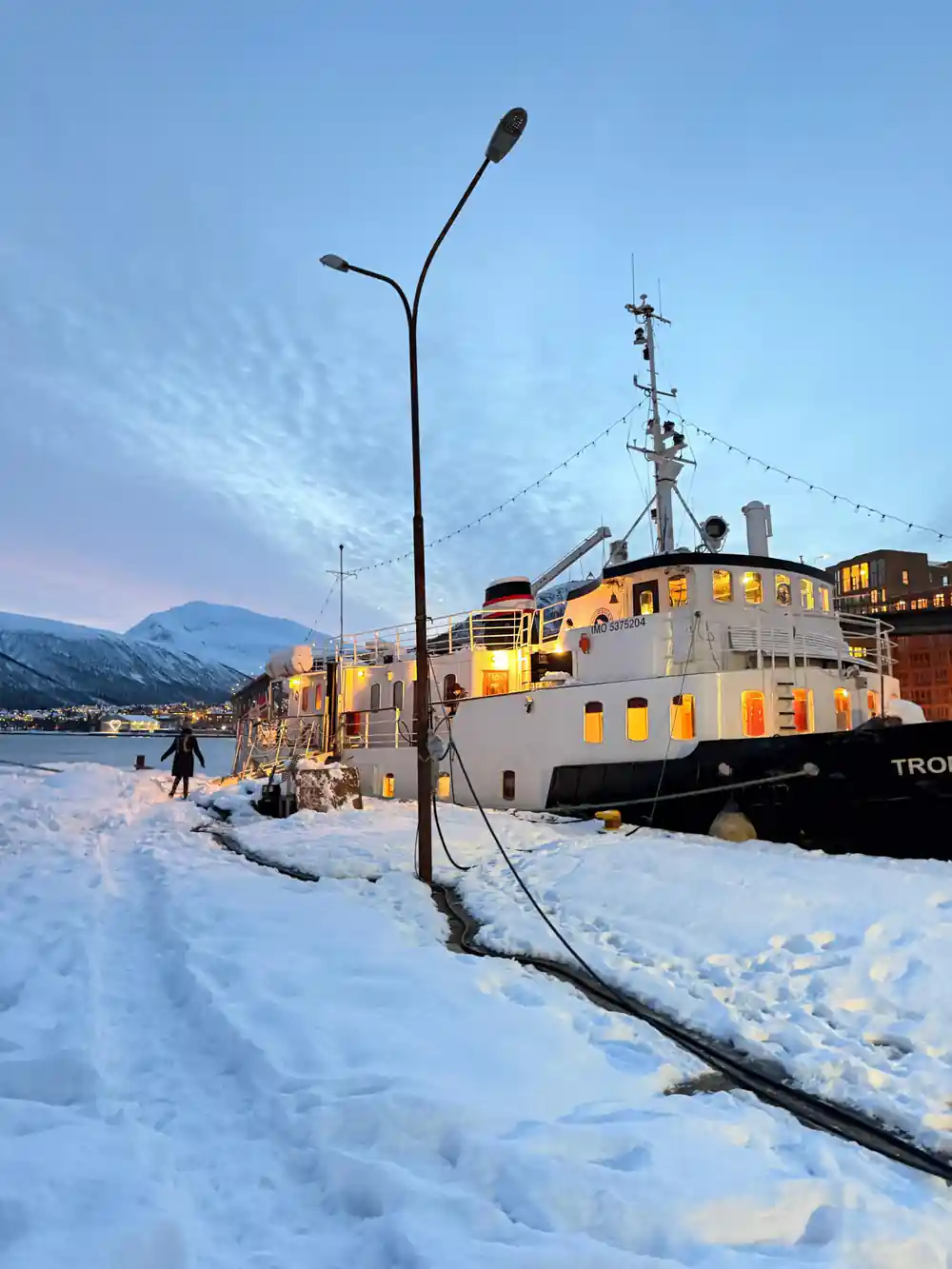
Tromsø in winter sounds intimidating, but the thermometer is friendlier than the name suggests. Tromsø's winter temperature normally sits near −4°C[5], so you get proper snow, frozen fjord edges, and crisp air, yet strong layers rarely let the cold in. What you notice first is the quality of the light: the low golden sun that never climbs high, the slow colour shifts at the horizon, and the way snow softens every rooftop and street corner. The city hums with cosy routines, lit windows, coffee queues and the quiet clatter of a harbour that stays busy all year.
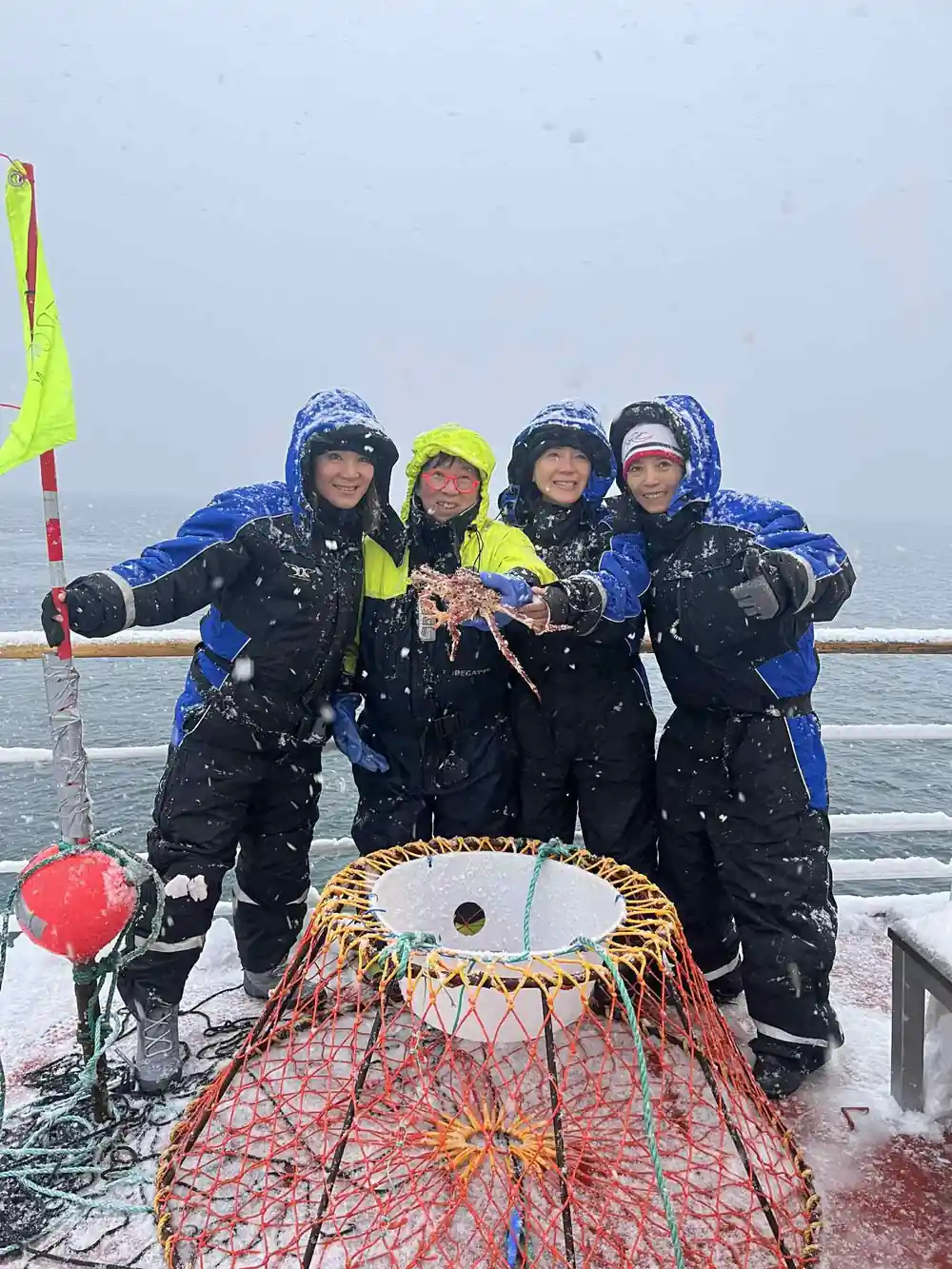
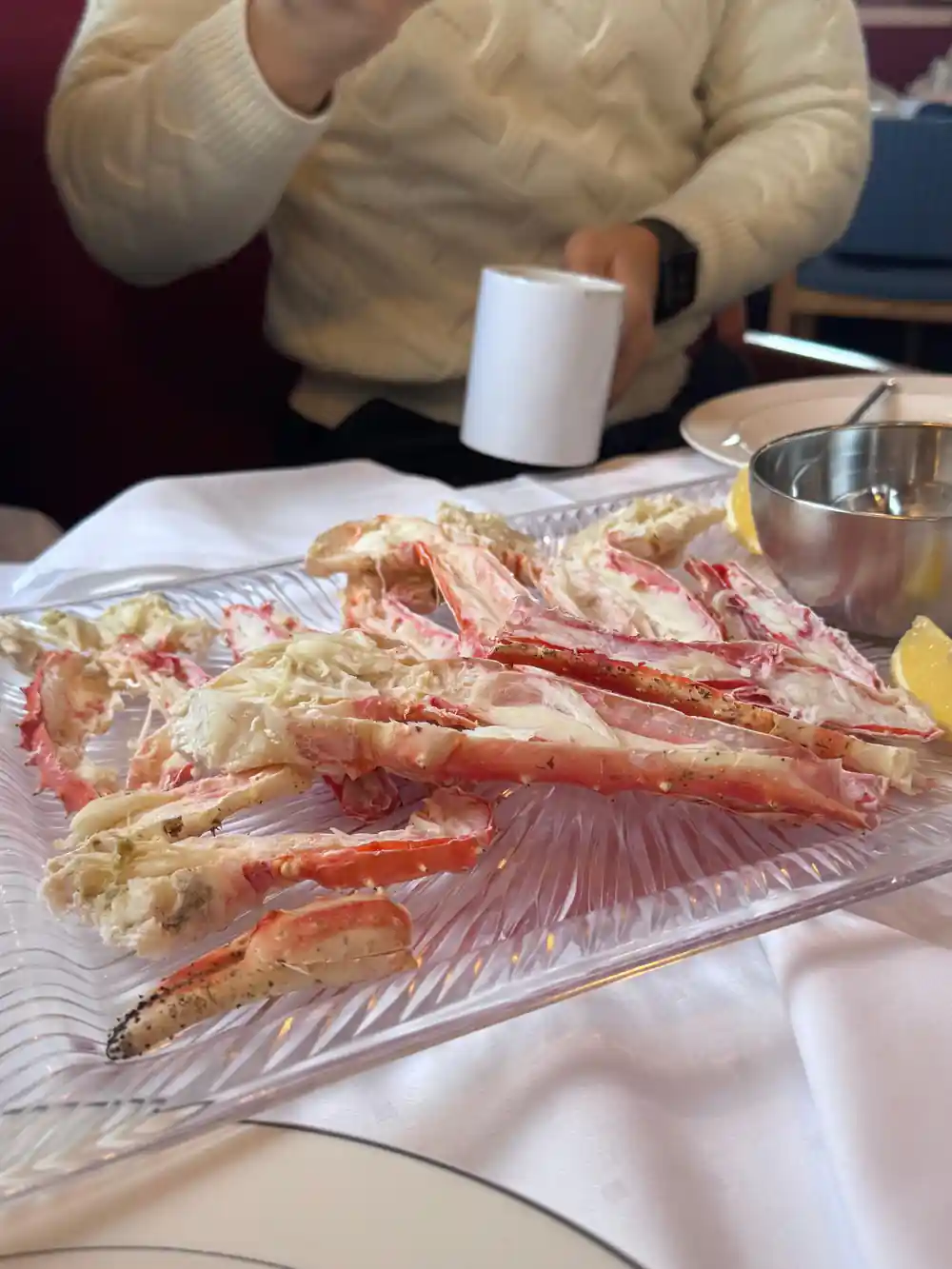
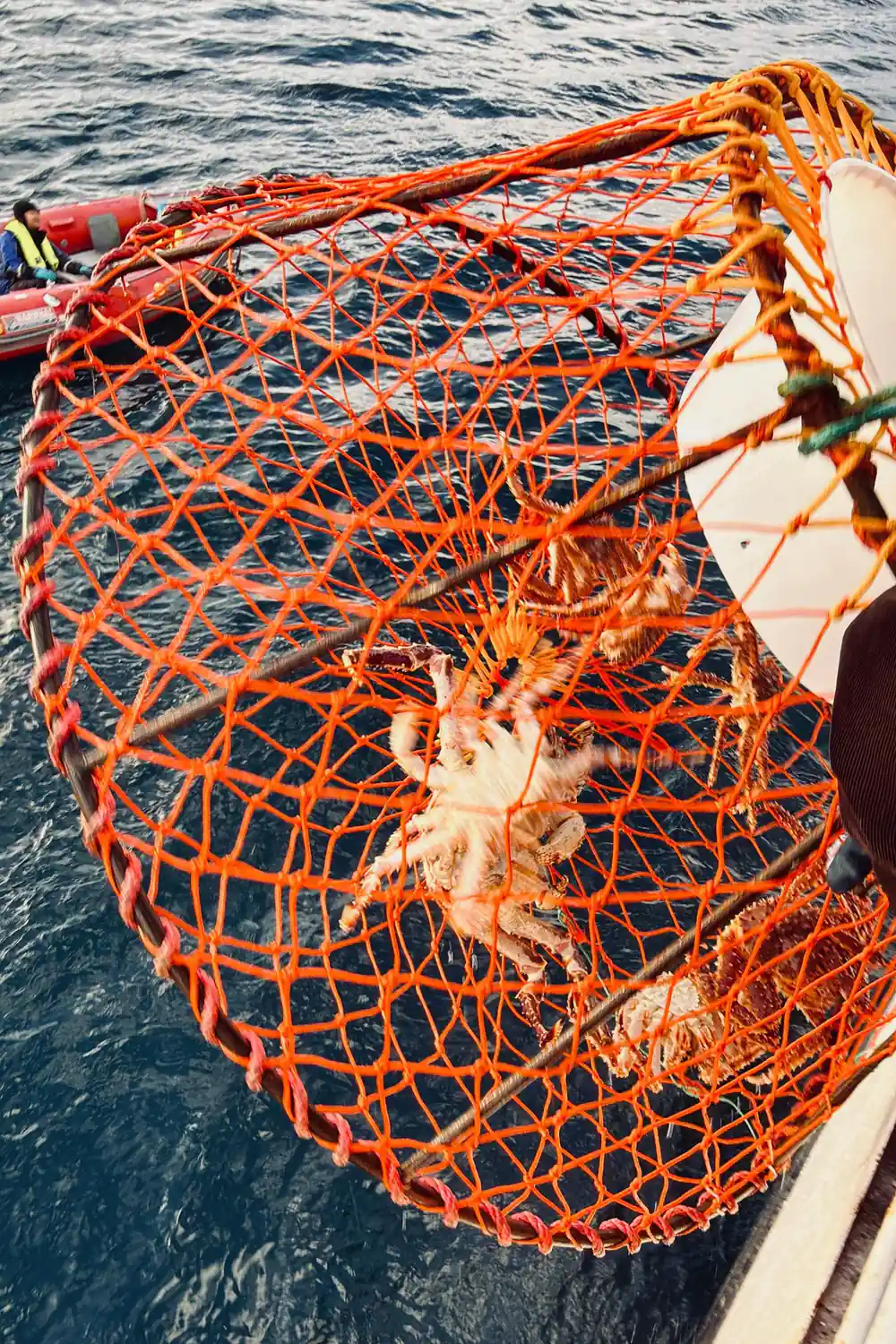
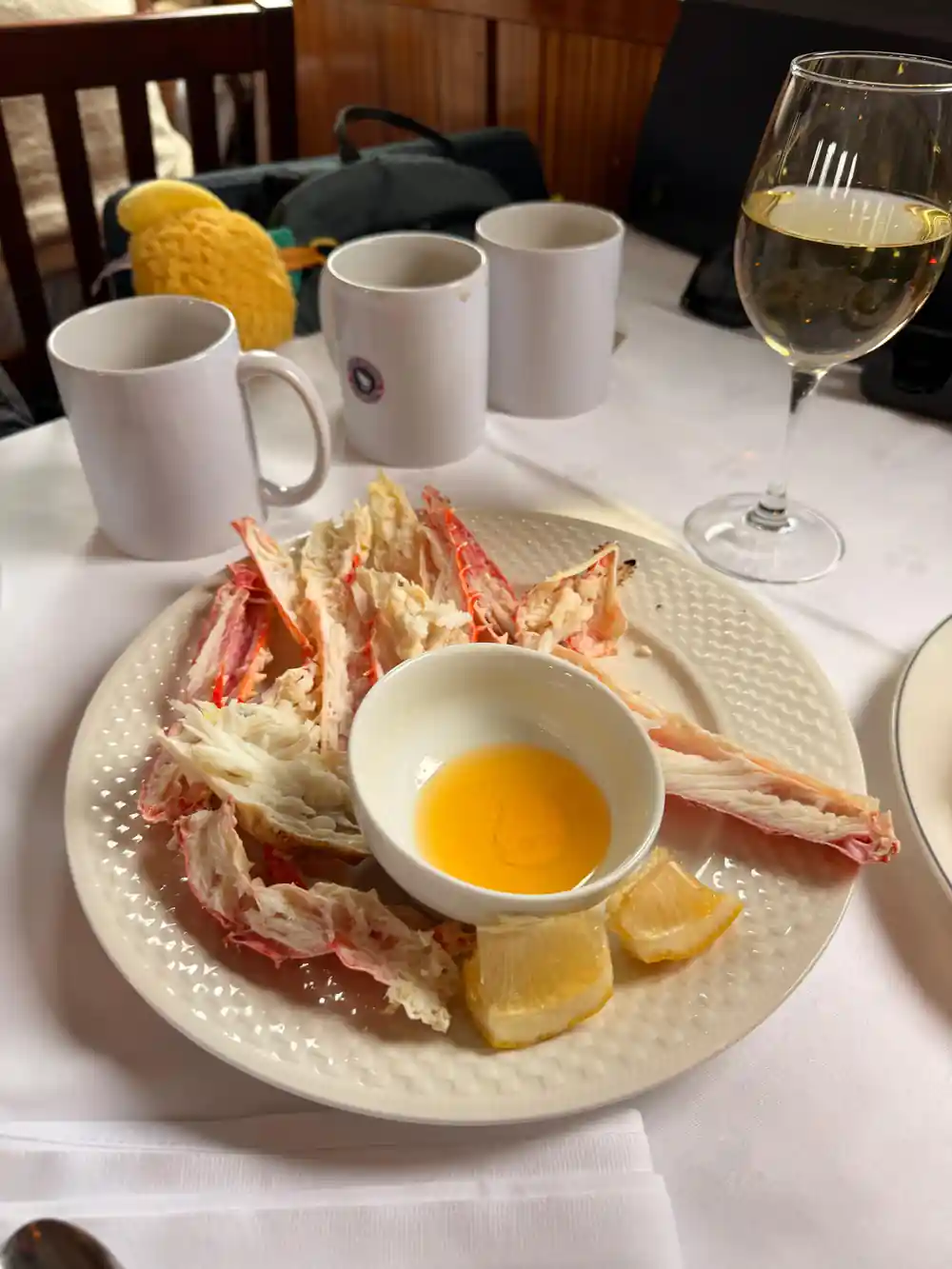
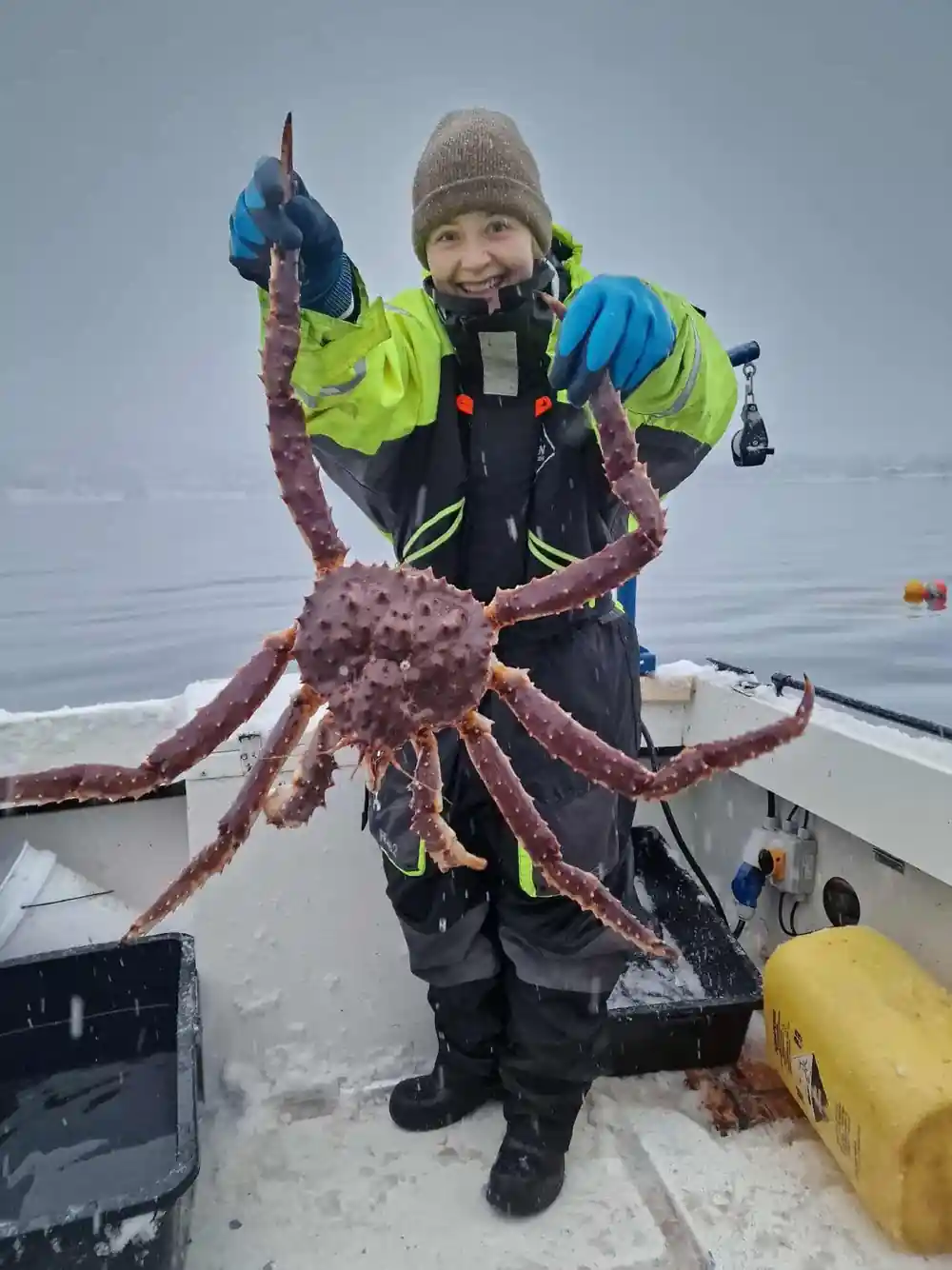
The city around the cruise is compact and easy to like. This site arranges the Arctic king crab cruise, which has a self-captured lunch, a 4.5-hour[1] trip from the harbour with a live guide who works in Norwegian and English[1]. You sail out among the islands, haul a red king crab up with the crew, and eat what you caught at a laid table. It is priced from US$261[1], and you can cancel free of charge up to 24 hours in advance[1] if plans shift. For anyone who loves food and boats, it is a natural centrepiece of a winter visit.
The crab on your plate has a long Arctic story. In the 1960s, Russian scientists introduced red king crab to Murmanskfjorden; by 1977, the first ones had reached Norwegian waters[9]. Since then it has spread along the coast and become a local winter specialty with a very short journey from sea to table. Knowing the story makes the cold, sweet meat taste even better, and the crew are happy to explain how the fishery works.
The polar night, which is not darkness
In Tromsø, the polar night runs about from 27 November until 15 January[2]. You will not look out at a black void for the whole stretch. Instead, the middle of the day brings a long, blue twilight, sometimes washed with pink at the horizon, and the city lights reflect off wet snow and dark water. Streets stay lively, the harbour glows like a stage set, and people who expect gloom are often surprised by how cosy and calm it feels. Locals ski, skate and fish through the darkest weeks, proof that the season is for living, not just enduring.
This is also prime northern lights season. In the Tromsø region, the aurora may be visible from late August to early April, whenever the sky is dark and sufficiently clear[3]. A winter evening here is a gift to sky-watchers, whether you catch a faint green shimmer between clouds or a full curtain of colour. The long nights simply give you more hours to look up, and the city's position makes it one of the easier Arctic towns to reach for a guided chase.
The lack of strong daylight changes how you plan. A 4.5-hour[1] cruise fits neatly into the short daylight window, with the landscape lit by soft blue tones rather than harsh sun. Afterwards the city glows with streetlights and café windows, and the evening belongs to northern lights, dinner and the slow rhythm of harbour life. It is a gentle, indoor-friendly version of winter.
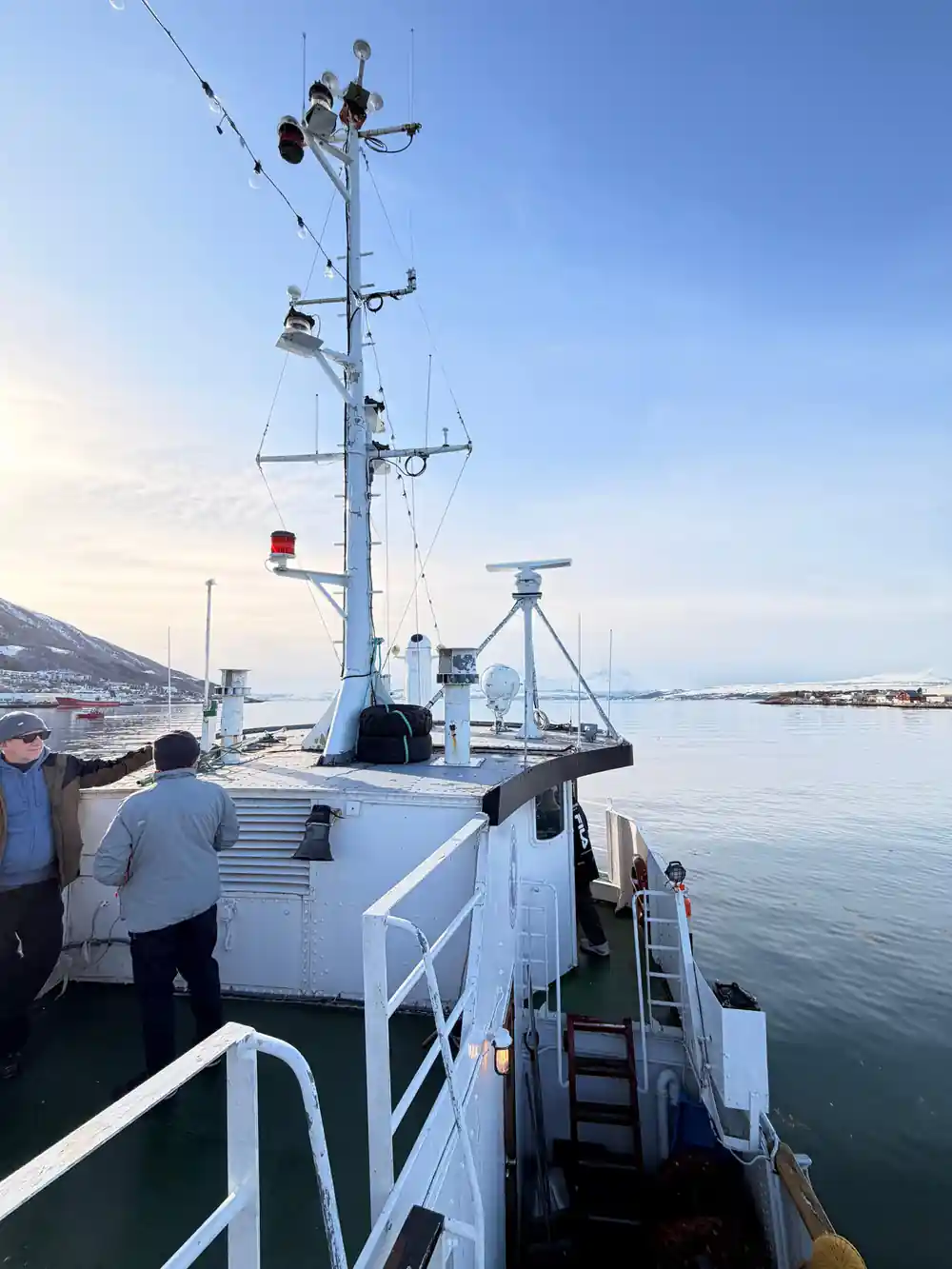
Guests in warm suits watch the crew serve the catch at a laid table aboard the king crab cruise.
Getting here
Flying into Tromsø is straightforward. The trip from Tromsø Airport to downtown takes roughly 10-20 minutes[8], letting you land, leave your luggage, and stroll the waterfront before you feel fully checked in. The approach over snowy islands, dark ridges and black fjords is a preview of everything you came for. Flights arrive throughout the day, and the short transfer makes even a long weekend feel relaxed.
Once in town, everything you need for the king crab cruise is close at hand. The trip from this site runs 4.5 hours[1], starts from the harbour, and includes a live Norwegian and English guide[1]. Starting at US$261[1], cancellation is free until 24 hours prior[1] if the forecast shifts your plans. Arriving early gives you time to settle in, find a good dinner and watch the harbour lights before your day on the water.
If you are coming from further away, build in a buffer. Tromsø sits far north, and winter weather can shift quickly. A relaxed arrival means you can enjoy the city fully even if a flight is delayed, and you will be ready for an early cruise start with energy to spare.
What fills the days between trips
Winter is when the fjords north of Tromsø turn into a dining hall for whales. During winter, orcas and humpback whales appear in the fjords, assembling there to eat herring[4]. The herring itself migrates northeastward in September/October to its main wintering areas off the coast and in fjords in northern Norway[10], and the whales follow the same food. For visitors, that means wildlife watching does not depend on pure luck; the winter season is the time to see them.
Responsible operators keep their distance. Whale watching boats in Norway are prohibited from being closer than 0.2 nautical miles (370 m) to a fishing vessel, steng or fixed fishing gear[11]. You watch the action from the boat, with guides calling out spouts and tails, rather than from inside the action.
Between cruises, Tromsø fills the days with museums, seafood, Sami culture and slow walks. You can warm up with coffee, watch the ferry traffic, and let the winter light change the mountains from blue to gold and back again. Even a simple loop along the water rewards you with postcard views of the Arctic Cathedral and the bridge, and every café offers a reason to linger.
from US$261
Arctic king crab cruise with self-captured lunch: 4.5 hours, live Norwegian and English guide, free cancellation up to 24 hours[1].
How long to stay
Give yourself enough nights to breathe. Days are brief but rich during the polar night, which lasts roughly 27 November to 15 January[2]. The king crab cruise takes 4.5 hours[1], leaving the rest of the day for the city, a museum or a quiet meal. A shorter stay can work, but a longer one feels richer and gives the weather more chances to cooperate.
The northern lights season is generous, from late August to early April[3]. You do not have to book the perfect night. Stay alert on clear evenings and let the sky set the pace. Whales, too, are a winter fixture when the herring settle into the fjords[4][10], and a dedicated safari makes a natural next day on the water.
If you want more time on the water, look at the fjord cruises and whale-watching trips available from the city, then build your stay around the mix you care about most. The king crab cruise works well as the centrepiece of a winter break, with an aurora chase and a whale safari as the supporting acts. Leave an evening free for simply walking the streets in the blue twilight, when the snow picks up every light and the mountains turn to silhouettes.
Getting around
Tromsø city centre is walkable, which makes a winter visit easy. The airport transfer takes about 10-20 minutes[8], and once you are downtown the harbour, shops and cafés are within a comfortable stroll. Streets are cleared regularly, and the compact scale means you will not waste daylight searching for things. For the cruise, you simply walk to the meeting point and let the crew handle navigation, the catch and the cooking. There is a steady rhythm of ferries, fishing boats and tour vessels to watch while you wait.
For trips beyond the city, tour operators generally arrange transport as part of the experience. Roads can be icy, so if you drive, take it slowly and give yourself extra time. Public buses do reach nearby areas, but a booked excursion keeps things simple in the dark months, with warm vehicles and guides who know the conditions. Plan each day around a main outing and let the city fill the rest. Taxis and rideshares cover the short hops, and the airport route is well served, so you never need a hire car for a city-based winter break.
What to pack for the city
Start with the average winter temperature around −4°C[5] and build in layers. A thermal base, a mid-layer, a windproof coat, a warm hat, gloves and sturdy boots will carry you from the cruise deck to a pavement café. Thick socks matter more than you expect, and a scarf that can double as a neck warmer earns its place. In the city you can shed layers indoors; on deck you will want every one of them.
On the water, the air is colder and the deck can be slippery. The king crab cruise is a self-captured lunch trip[1]; the eating part is built in. You just need clothes that keep you comfortable before the meal. A small dry bag for phone and camera is a sensible extra, and gloves that work with a phone screen save you from frozen fingers while you photograph the catch.
Finally, bring patience and curiosity. Winter here rewards people who watch the sky, listen to the guides and say yes to a second cup of coffee while the light does something beautiful outside. Pack light on expectations and heavy on warmth, and the city will do the rest.
Cruise durations compared
How the cruise prices compare
US$ from-prices from GetYourGuide listings: Child rates are not listed in the source facts.[1][6][7][13]
When to time your Tromsø winter visit
Plan your Tromsø winter day
Arrive and settle in
You can get from Tromsø Airport to the city centre in about 10-20 minutes[8], then quickly drop your bags and head to the harbour.
Dress for minus four
With an average winter temperature around −4°C[5], thin layers under a warm coat, a hat and gloves keep you comfortable on deck and in the streets.
Book the cruise from this site
The Arctic king crab cruise lasts 4.5 hours[1], offers live guiding in Norwegian and English[1], and starts from US$261[1].
Watch the sky afterwards
Between late August and early April[3], auroras may appear whenever skies are dark and clear enough; on clear evenings, keep looking upward.
Add a whale-watching day
During winter, orcas and humpback whales congregate in the fjords north of Tromsø to eat herring[4].
Book the Arctic king crab cruise for your Tromsø winter
from US$261Reserve now & pay later