At a glance
- This cruise takes you into the sheltered waters where Norwegian spring-spawning herring winter, and where orcas and humpbacks gather to feed on them.[1][2]
- Red king crab arrived after Russian researchers released it in Murmanskfjorden in the 1960s; the first individuals appeared in Norwegian waters in 1977.[3]
- Glaciers carved these valleys below sea level, then the sea flooded in. That is why the fjord walls rise steeply while the water stays deep.
- In Tromsø, winter temperatures hover near −4°C, making layered clothes and a heated boat essential.[4]
- Arctic king crab cruise with self-captured lunch has a duration of 4.5 hours and is from US$261, with reserve now and pay later.[5]
- Top choice Arctic king crab cruise from US$261 Duration4.5 hours[5]Rating4.45[5]GuideNorwegian, English[5]CancellationFree cancellation[5] Check availability
- Arctic Fjord Cruise from US$156 Duration4 hours[6]Rating4.52[6]GuideEnglish[6]CancellationFree cancellation[6] See this tour
- Fjord History Cruise from US$157 Duration2.5 hours[7]Rating4.90[7]GuideNorwegian, English[7]CancellationFree cancellation[7] See this tour
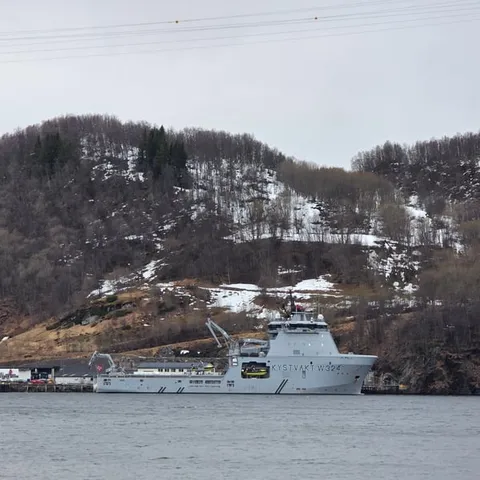
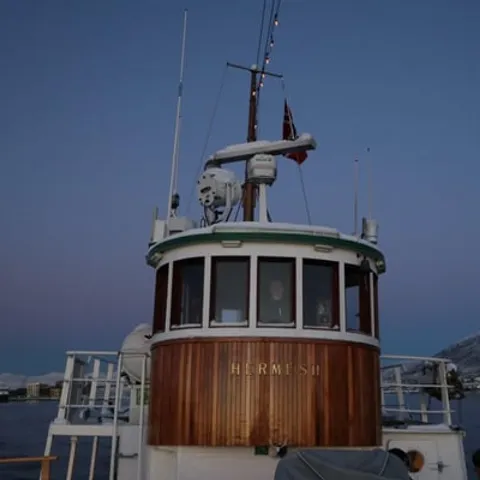
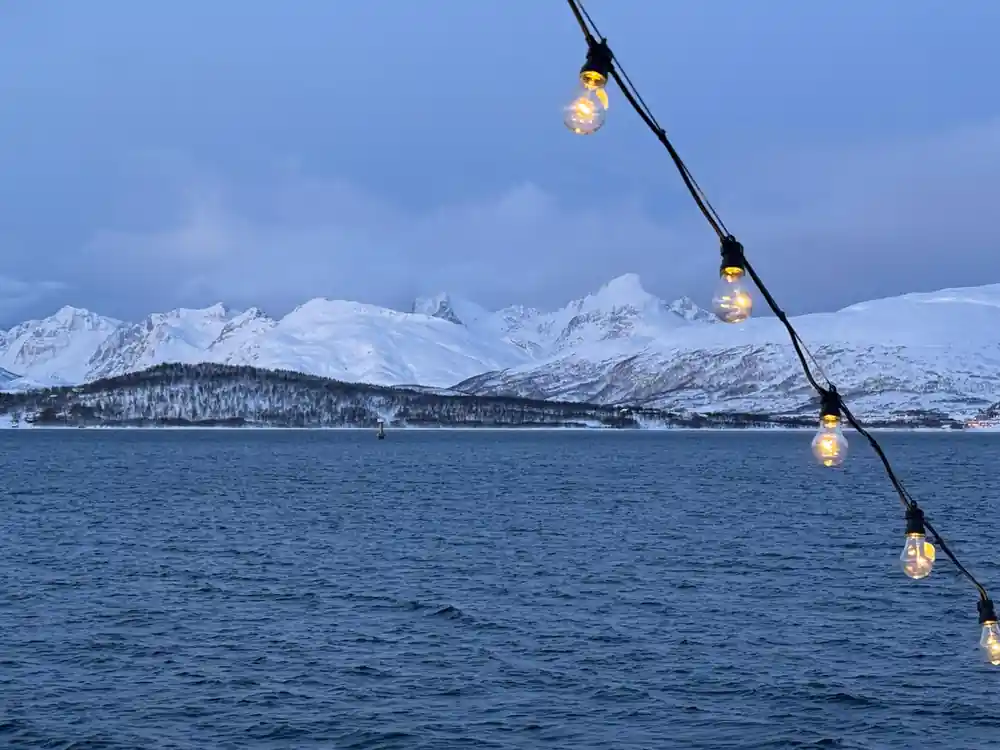
During the winter, orcas and humpback whales gather in the area to feed on herring.
Why a king crab cruise is the right way to meet the fjords
Prepare for the day
- Dress in warm layers and bring a hat, gloves and a scarf. The average winter temperature in Tromsø is around −4°C.[4]
- The cruise lasts 4.5 hours, so plan the rest of your day around that.[5]
- Book with free cancellation up to 24 hours in advance for a full refund.[5]
- The from-price is US$261, and you can reserve now and pay later.[5]
On the day
- Make your way to the departure point in Tromsø with time to spare.
- Expect a shared cruise with a live guide speaking Norwegian and English.[5]
- In winter the light changes fast, so keep your camera ready.
- Listen to the crew's safety briefing and hold the rail when moving around the boat.
Where the cruise goes
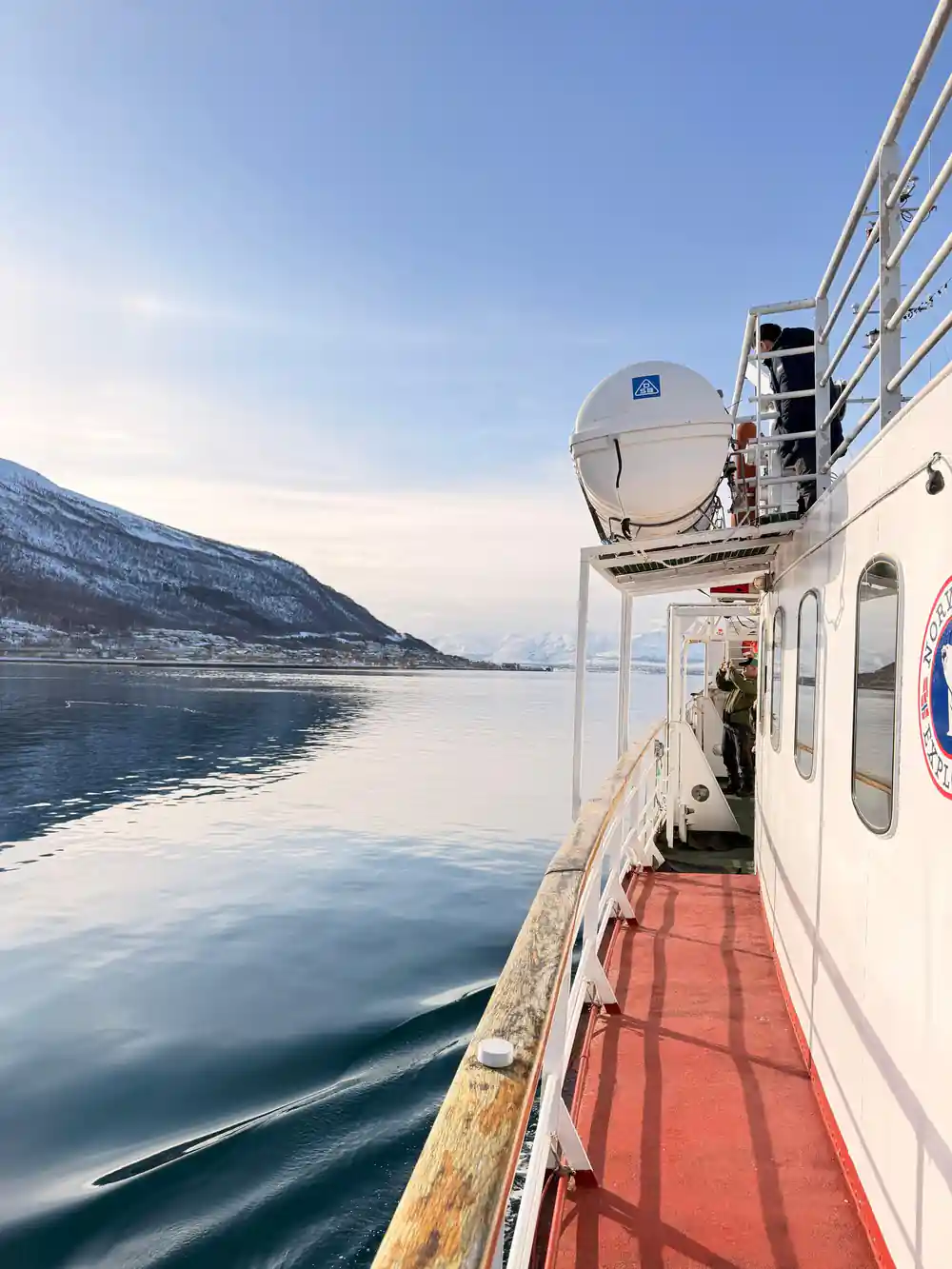
The cruise stays inside the sheltered fjord waters that make this part of Norway so alive in winter. In September and October, Norwegian spring-spawning herring moves northeast to its main wintering areas off the coast and in the fjords of northern Norway.[1] In winter, orcas and humpback whales congregate in this area, feeding on herring.[2] Water, fish and whales all arrive together, and the boat puts you right in the middle of it. The coast here does not shout; it waits, and the boat gives you time to watch.
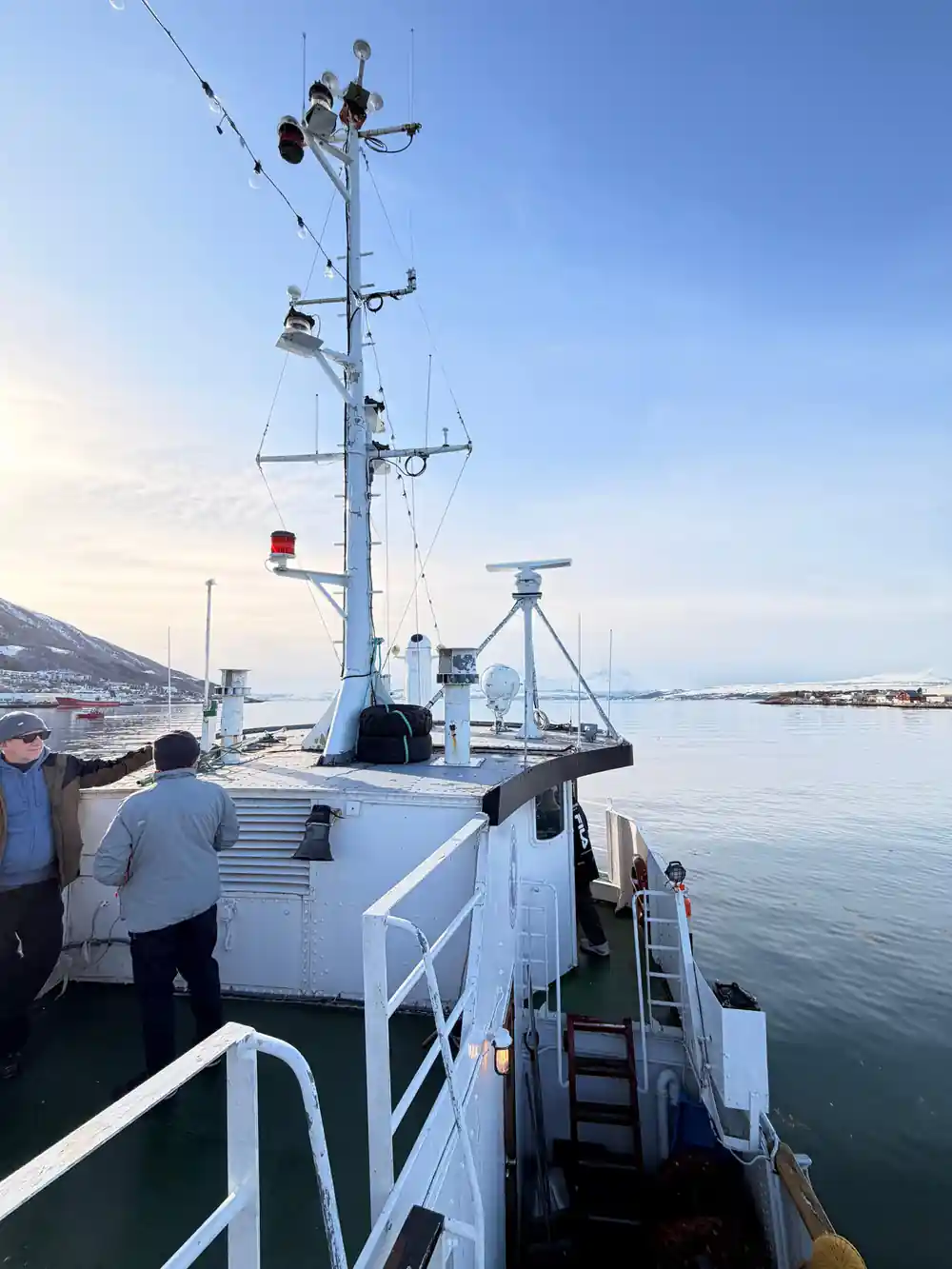
You leave from Tromsø and spend 4.5 hours on the water.[5] The route winds past islands, low shorelines and steep valley walls, with open sky above and cold dark water below. A live Norwegian and English guide helps you read the landscape.[5] It is a compact outing, long enough to feel like a voyage and short enough to fit into a winter day. Bring a neck gaiter and a warm hat; the wind off the water finds every gap.
The departure point is in Tromsø, so it is easy to reach from the city centre. The cruise has a live guide speaking Norwegian and English, which makes it good for first-time visitors and repeat travellers alike.[5] Keep an eye on the shore for fishing villages, boathouses and racks of drying fish. The rhythm of the boat, the cold air and the changing sky make the hours pass quickly.
A fjord shaped by ice
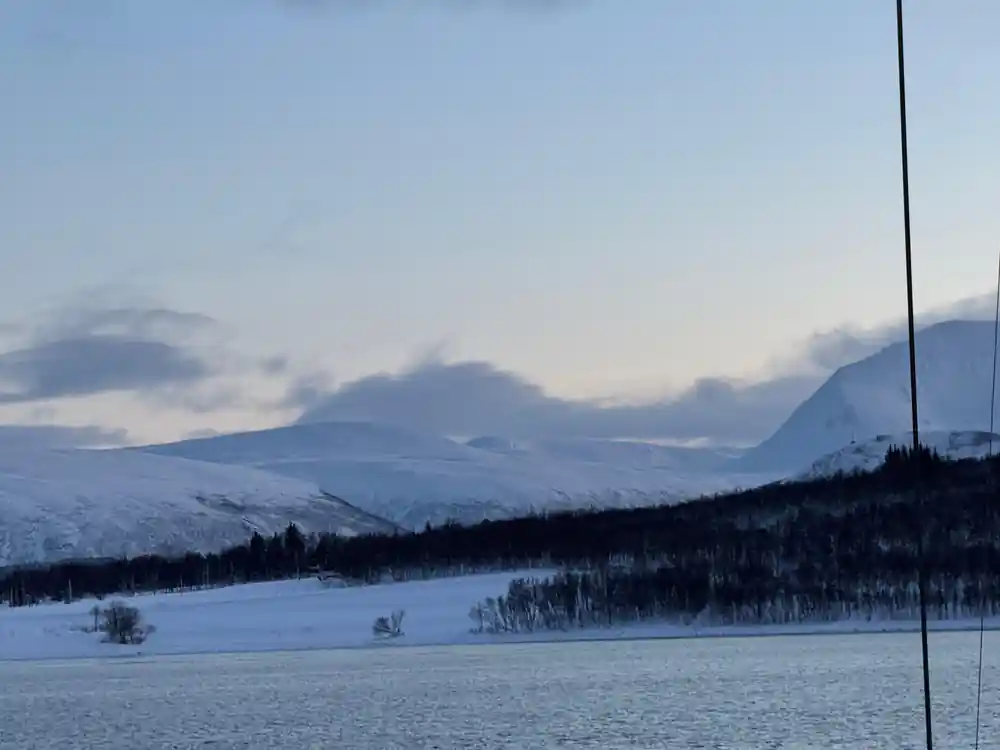
These fjords began as river valleys, then glaciers deepened them below sea level. When the ice retreated, the sea flooded the troughs, leaving steep rock walls rising straight from deep water. You can see that shape from the deck: layered cliffs, gravel fans, and flat shoulders high above the boat. Those flat shoulders are old fjord levels, now lifted high above the sea.
The light around these fjords is part of the experience. The polar night sets in from roughly 27 November and lasts through 15 January.[8] In summer, the midnight sun usually lasts from around 20 May to 22 July.[9] Between those seasons, the winter average temperature in Tromsø sits around −4°C, cold but manageable with the right layers.[4] A clear winter day can feel almost weightless, while a snowy one turns everything grey and close.
From the deck you can read the valley sides: smooth rock polished by ice, broken stone where frost has worked, and dark water below. The polar night and midnight sun give the same mountains completely different moods through the year.[8][9] Watch the rock change colour as the sun moves: pink, gold, slate and blue.
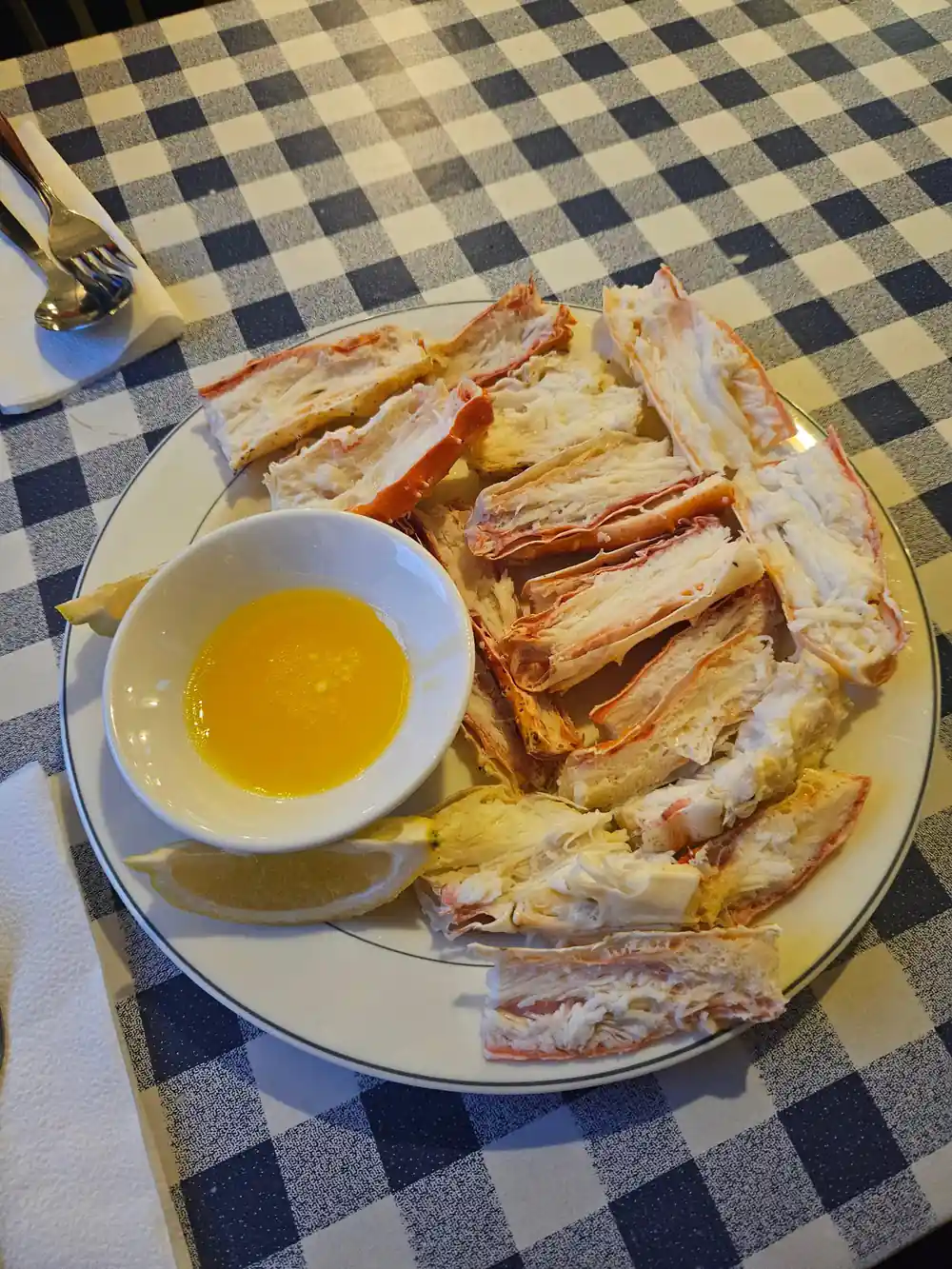
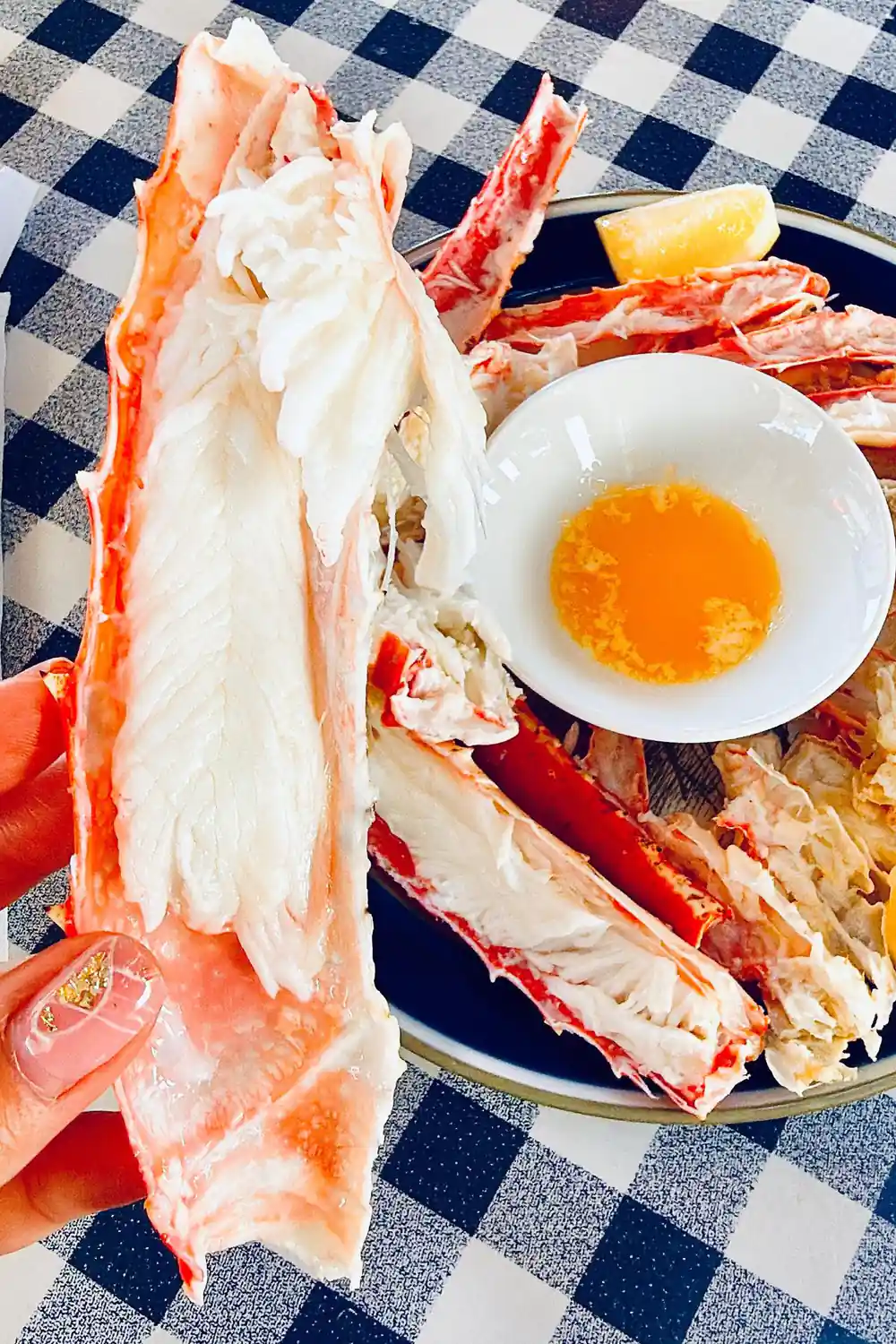
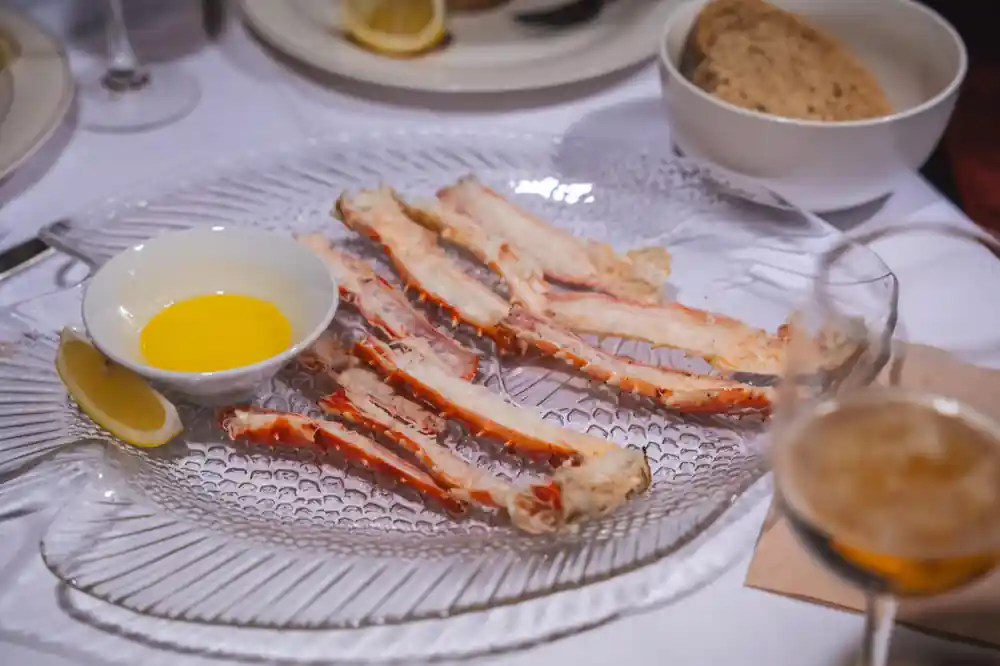
A plate of split king crab legs with lemon after a winter fjord cruise.
Winter wildlife in the sheltered water
The same water that feeds the fjord also feeds its visitors. Norwegian spring-spawning herring migrates northeast in September and October to the wintering areas off the coast and in northern fjords.[1] During winter, orcas and humpback whales gather where the herring is.[2] Winter cruises share the water with these animals. The water is restless even in quiet spots, and the surface never looks the same twice.
Norway keeps whale watching boats no closer than 0.2 nautical miles, about 370 metres, to fishing vessels and fixed gear.[10] That means the watching happens with space and respect. On a king crab cruise you are on the water for a different reason, but the same cathedrals of rock, water and weather surround you. Some of the best moments are unplanned: a seal's head, a distant blow, a flock of birds lifting.
The herring story explains a lot. When the fish arrives in the fjords in autumn, the whales follow, and the whole ecosystem becomes easier to see from a boat.[1][2] Winter cruises are not zoo trips; you are in the animals' feeding ground. Being around feeding grounds reminds you how wild this place still is.
The crab on your plate
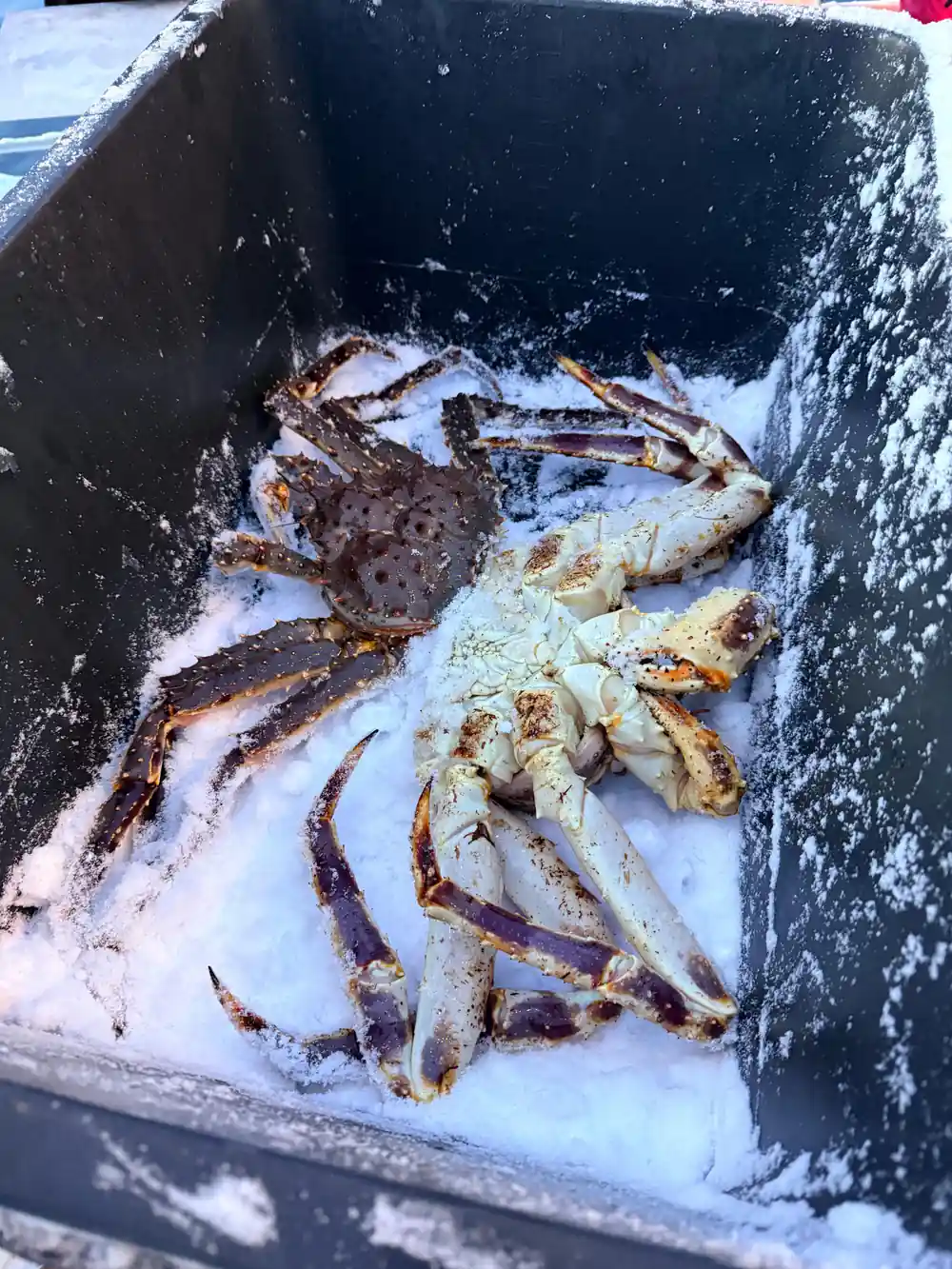
The red king crab is not native here. It came to Norwegian waters after Russian researchers released it in Murmanskfjorden in the 1960s, and the first individuals appeared in Norwegian waters in 1977.[3] Since then it has spread along the coast and into the fjords, becoming part of the local food story. The flesh is sweet and firm, and the legs are the main event.
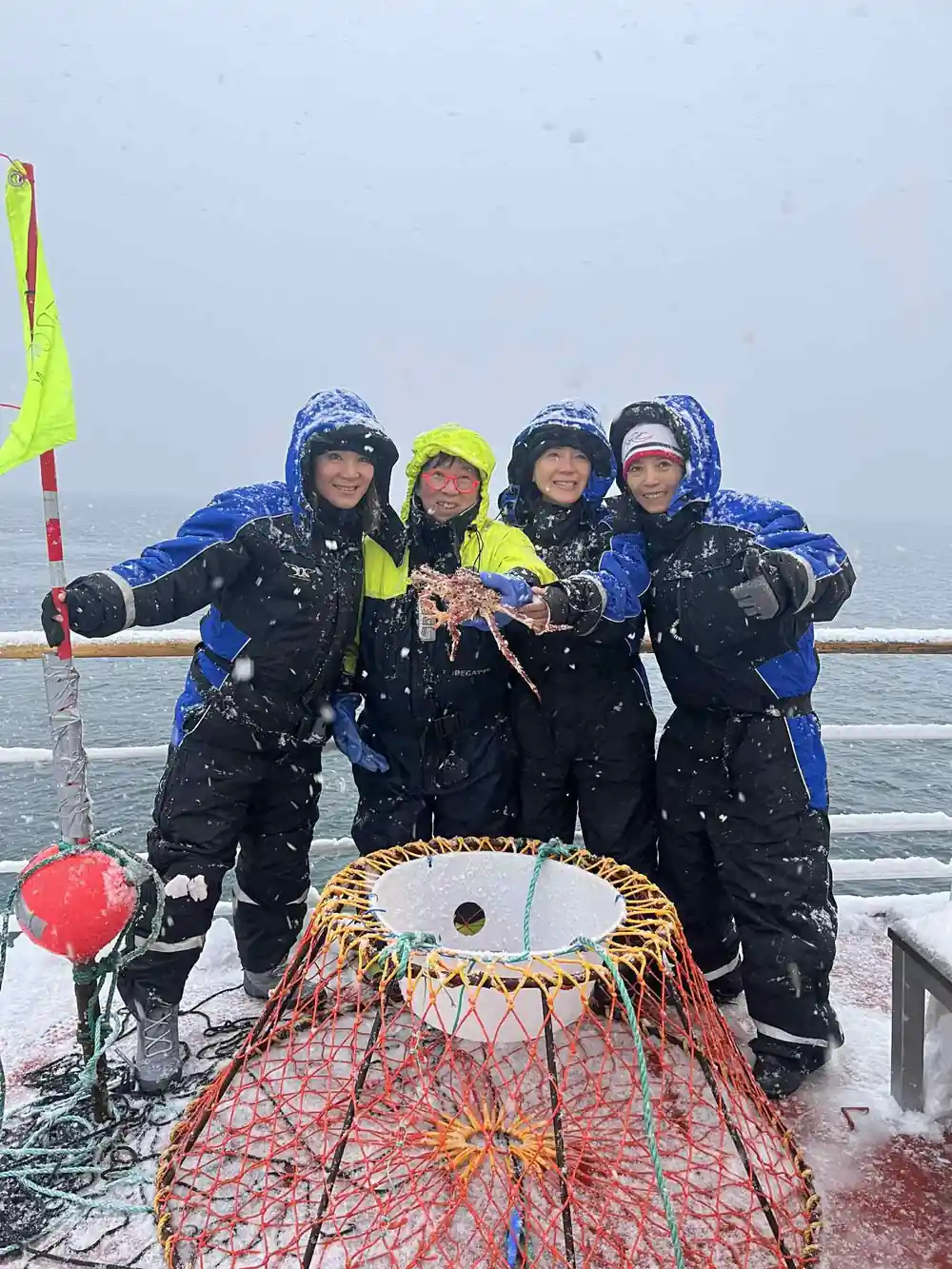
On this tour, the crab becomes lunch. The listing is called the Arctic king crab cruise with self-captured lunch, and the boat gives you 4.5 hours to enjoy the fjords, the catch and the company.[5] Reserve now, pay later; the from-price is US$261, and free cancellation applies until 24 hours before.[5] You do not need to be a foodie to enjoy it, but it helps.
Crab is best eaten as fresh as possible, and a self-captured lunch is about as direct as it gets. The boat gives you 4.5 hours on the water, so there is time to take photos, ask the guide questions and enjoy the meal without rushing.[5] The table becomes part of the journey, with windows framing the mountains while you eat.
from US$261
Arctic king crab cruise with self-captured lunch has a duration of 4.5 hours, is from US$261, and has a live Norwegian and English guide.[5]
When to go and what the light does
For those hoping to see the northern lights, the season near Tromsø starts in late August and ends in early April, provided the skies are dark and clear.[11] Aurora hunting benefits from the long dark hours of the polar night, which runs from roughly 27 November to 15 January.[8] Cloud cover matters more than darkness, so be ready to shift plans.
The midnight sun, in contrast, stays from roughly 20 May to 22 July, and those same fjords glow golden at midnight.[9] Winter temperatures in Tromsø average about −4°C, so a heated boat, warm layers and hot food make a real difference.[4] Even without aurora, the evenings are beautiful.
Early autumn and spring can be quieter, with softer temperatures and long twilight. Late August through early April is when the northern lights season runs; the polar night provides long dark windows from 27 November to 15 January.[8][11] Pack a headlamp for evening walks and a thermos for the deck. Whatever the forecast, the light here is never boring.
Planning your day in Tromsø
Getting to a cruise start is straightforward. Travel between Tromsø Airport and the city centre takes about 10-20 minutes.[12] The cruise itself lasts 4.5 hours, so you can combine it with a museum, a walk or a meal in town.[5] If you are driving, allow extra time for parking and finding the pier.
Booking is flexible. You can reserve now and pay later, and if plans change, free cancellation applies up to 24 hours in advance for a full refund.[5] Availability determines start times, so consult the calendar when you book.[5] Read the meeting point carefully; some departures use a dock outside the main harbour.
Because the airport transfer is only about 10-20 minutes, you can land and still make an afternoon cruise.[12] Pair the cruise with a slow breakfast or a sauna and you have a full, unhurried Tromsø day. A late start is possible, but give yourself enough time to reach the pier and find your boat. Arriving early also gives you time for a coffee before you board.
Why this cruise works
What makes this cruise work is the mix. You get the drama of a deep fjord, the chance of whales and herring, and a meal you had a hand in catching, all in one 4.5 hour outing.[5] With a live guide who speaks Norwegian and English, you can ask questions while the scenery changes.[5] The weather can change in minutes, which is part of the drama. It is the kind of tour that feels effortless on board and memorable afterwards.
Travelers rate it 4.45 from 87 reviews, and the main draws are the scenery, the crab and the small, personal feel.[5] If you want one day on the water in Tromsø that feels like a proper Arctic event, this is the one to book. That mix is hard to beat in a single afternoon.
The practical details are simple. The from-price is US$261, you can cancel free up to 24 hours in advance, and reserve now and pay later is available.[5] With a live Norwegian and English guide and a 4.5 hour route, this is a focused, friendly way to see the fjords.[5] When the boat pulls away, you already want to do it again.
Duration of fjord cruises in Tromsø
Fjord cruise from-prices in US dollars
From-prices in US dollars from GetYourGuide listings.[5][6][7]
When to book around Tromsø's seasons
Plan your king crab cruise
Choose your season
Aim for the dark months if you want the classic winter fjord mood, when orcas and humpbacks gather to feed on herring.[2]
Reserve in advance
Use reserve now and pay later, and note the free cancellation window up to 24 hours before the cruise.[5]
Pack for winter
Wear wool layers, a warm hat and waterproof outer gear. Average winter temperature in Tromsø is around −4°C.[4]
Arrive early
Leave enough time to reach the departure point. The cruise lasts 4.5 hours, so plan the rest of the day around it.[5]
Watch the light
The northern lights can be visible from late August to early April, and the light changes fast in winter.[11]
Ready to meet the Arctic on a king crab cruise?
from US$261Reserve now & pay later